November 13, 2026
Selecting new flooring transforms the aesthetic appeal, everyday functionality, and overall comfort of any living space. Among the diverse hard-surface materials available today, laminate remains an exceptionally practical, visually stunning, and cost-effective alternative to genuine hardwood or stone. However, executing a successful renovation requires navigating critical technical specifications, particularly board depth, density, and core composition. While wood grain patterns, surface embossing, and modern color palettes usually capture initial attention, plank thickness plays an equally vital role in determining long-term stability, structural integrity, and acoustic comfort. Enlisting professional laminate flooring services ensures that you not only pick a gorgeous design but also select the exact plank dimensions tailored to your unique architectural environment and daily lifestyle demands.
Understanding Plank Thickness Options
Laminate flooring measurements typically range from 6 millimeters to 12 millimeters, with specialized premium variations occasionally reaching 14 millimeters. These millimeter designations reflect the total vertical dimension of the individual plank, measuring from the backing layer up through the high-density fiberboard core to the transparent resin wear layer. It is a common misconception that plank thickness directly dictates surface wear resistance. In reality, wear resistance is governed by the Abrasion Criteria rating of the top protective coating, whereas overall plank thickness dictates physical rigidity, deflection resistance, and the solid sensation beneath your feet. When property owners seek guidance from professional laminate flooring services, technicians analyze how these dimensions interact with existing subfloors and environmental stressors to recommend an optimal board profile.
Exploring Standard Thickness Measurements
The laminate marketplace is broadly categorized into distinct measurement tiers, each engineered for particular budgets and structural parameters. Entry-level boards typically measure between 6mm and 7mm. While budget-friendly, these ultra-slim options demand an immaculately flat foundation and provide minimal sound dampening or shock absorption. Mid-range planks measure between 8mm and 10mm, presenting an exceptional equilibrium for standard single-family residential projects. According to HomeAdvisor, laminate planks that are 8 to 10 millimeters thick provide a good balance of durability and comfort for most homes when the subfloor is smooth. At the higher end of the spectrum, 12mm and 14mm planks deliver an authentic, dense sensation remarkably similar to traditional solid hardwood, making them the preferred standard for luxury renovations and bustling environments.
Evaluating Foot Traffic and Durability
Every property features distinct movement patterns that dictate the physical demands placed upon floor coverings throughout the year. Low-traffic spaces like guest bedrooms and formal dining areas experience gentle wear, allowing homeowners to install thinner profiles without compromising functional performance. Conversely, active entryways, busy family kitchens, central hallways, and energetic living rooms require greater structural fortitude to endure constant dynamic loads. Reputable providers of laminate flooring services evaluate household demographics, such as energetic children and large pets, before finalizing product selections. Thicker planks absorb substantial foot impacts more gracefully, dispersing vertical pressure across a wider surface area and preventing premature joint fatigue or board flexing in high-activity living zones.
Assessing Subfloor Quality and Preparation
A successful flooring installation depends entirely on the stability, levelness, and thorough preparation of the underlying subfloor. Subfloors constructed from poured concrete, plywood, or oriented strand board rarely present perfectly level planes across an expansive floor plan. Minor dips, high spots, and textural ridges inevitably exist throughout older residences and new constructions alike. Expert laminate flooring services will inspect the base surface thoroughly before laying down materials, because plank thickness determines how forgiving the floor will be over minor imperfections. Thinner 6mm or 7mm planks tend to conform to subfloor variations, leading to noticeable flexing, hollow air pockets, and eventual seam separation. In contrast, 10mm and 12mm boards possess sufficient structural rigidity to bridge minor undulations smoothly.
Enhancing Acoustic Performance and Underfoot Feel
The tactile and auditory sensation of walking across a room profoundly influences how comfortable a home feels every day. One frequent critique of improperly planned laminate installations is a hollow, clicking sound produced by footsteps, pet claws, and dropped objects. Plank thickness directly correlates with acoustic attenuation and sound resonance across the living space. Denser, thicker boards dampen airborne sound transmission and reduce impact noise between multi-story levels. When you choose thicker planks through experienced laminate flooring services, you achieve a solid, grounded walking experience that closely replicates site-finished timber. The increased mass absorbs vibrations rather than echoing them through framing, resulting in a serene living space free of disruptive room reverberation.
Accounting for Underlayment Integration
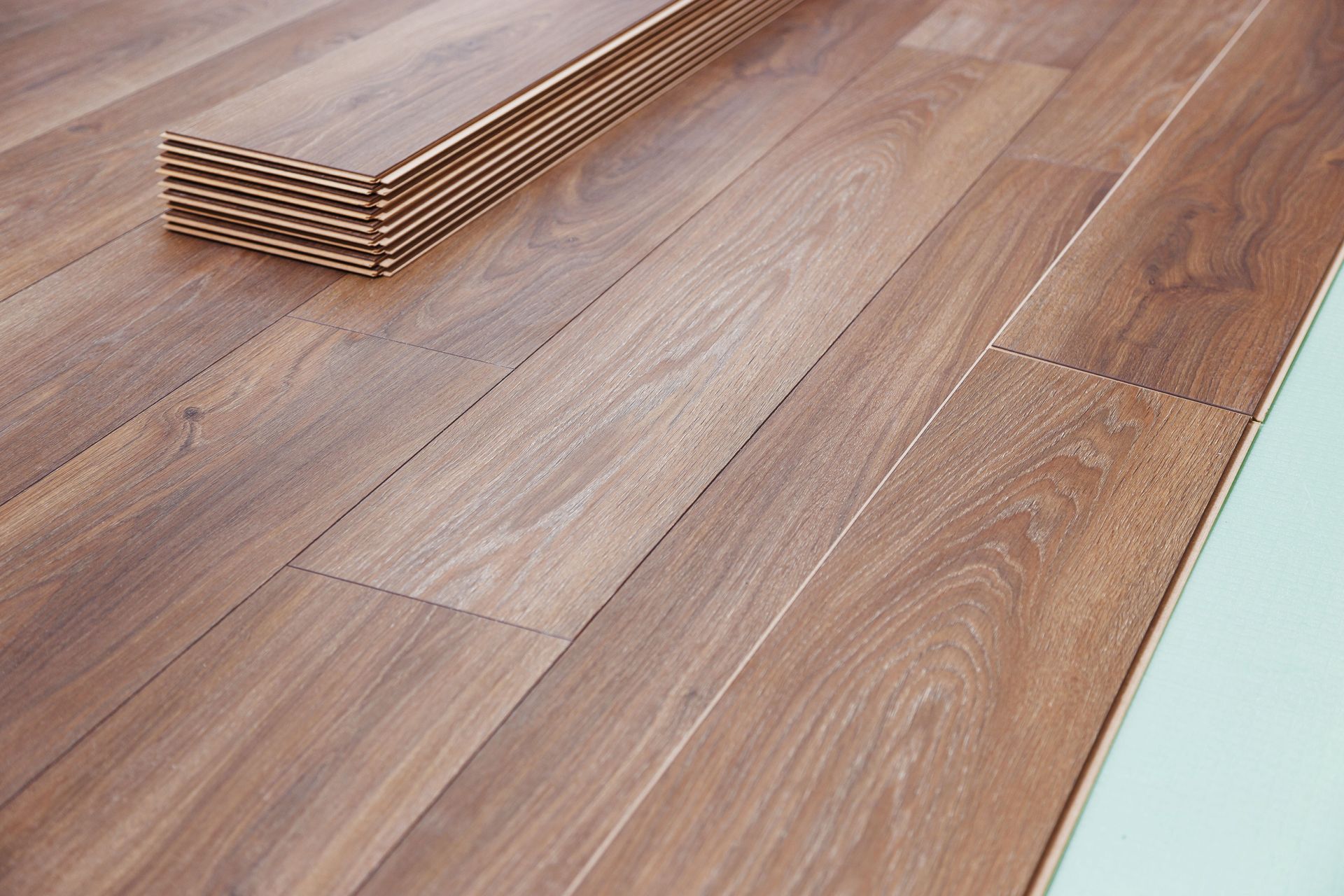
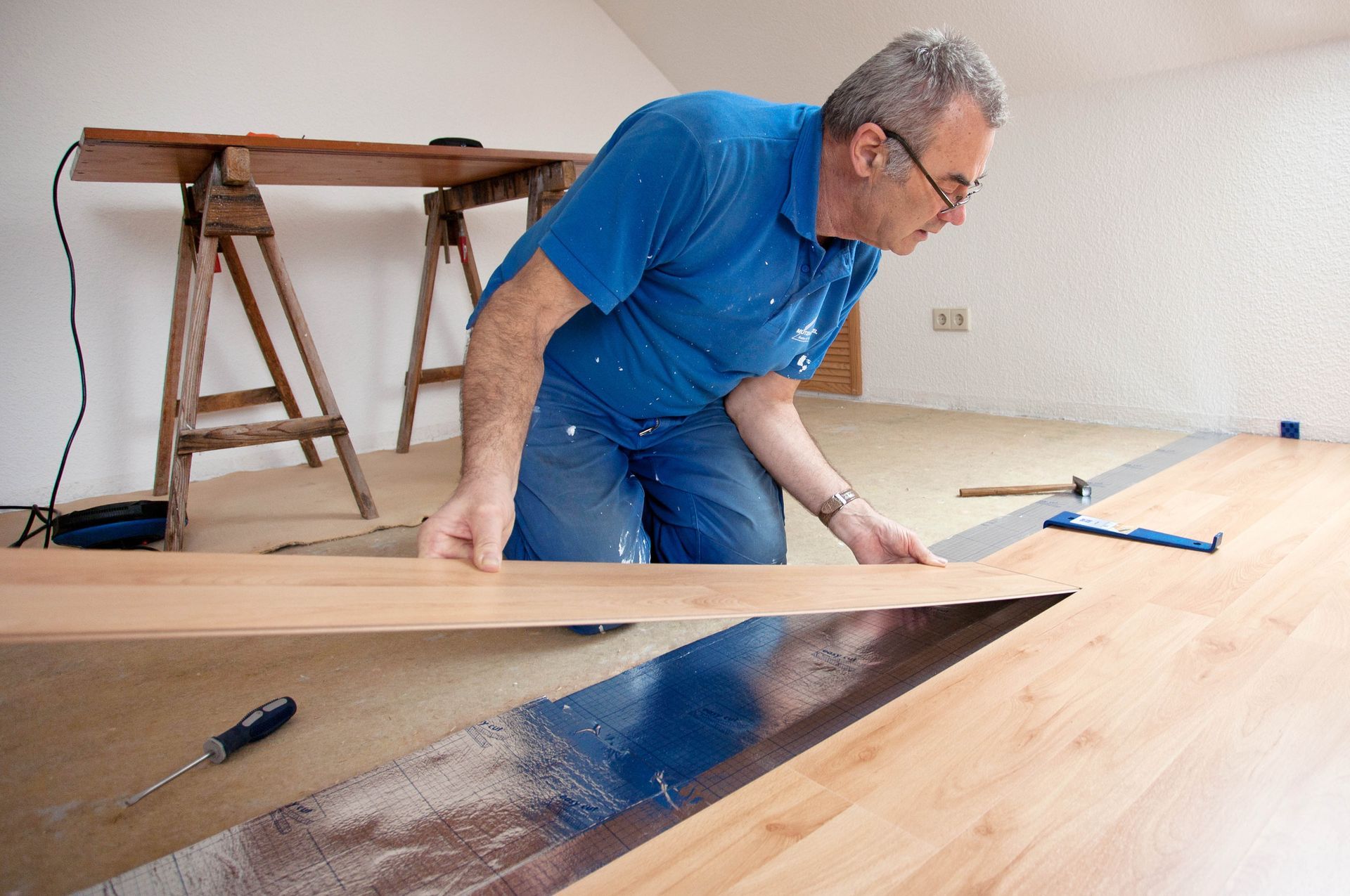
When measuring the overall height of a prospective flooring system, homeowners must evaluate the presence and type of underlayment padding. Some contemporary laminate boards arrive from the manufacturing facility with pre-attached acoustic foam or cork backing, typically adding 1mm to 2mm to the stated core thickness. Other products require a separate, rolled underlayment layer rolled out directly over the vapor barrier during assembly. Professional laminate flooring services help clients calculate the complete finished stack height, ensuring seamless alignment with existing baseboards, heating registers, and adjacent floor coverings. Misjudging combined thickness can result in awkward elevation shifts at room thresholds, sticking interior doors, and costly trimming of door jambs and transition moldings during project completion.
Examining Locking Mechanism Stability
Modern floating laminate floors rely on precision-milled tongue-and-groove click systems that interlock individual boards tightly without nails or liquid adhesives. The overall vertical thickness of the plank dictates the physical depth and structural strength of this interlocking seam. In slender 6mm or 7mm products, the joint profile is remarkably thin and delicate, making it susceptible to shearing, splitting, or uncoupling when subjected to heavy furniture or repeated flexing. Contractors delivering dependable laminate flooring services understand that 10mm and 12mm boards feature significantly deeper, fortified milling profiles. These robust joints resist heavy lateral tension, withstand seasonal expansion and contraction cycles, and prevent troublesome gapping that might otherwise allow moisture infiltration into core layers.
Balancing Initial Costs and Long-Term Value
Budget considerations naturally influence every home improvement undertaking, and flooring depth directly correlates with upfront material pricing. Thinner laminates present lower upfront square-foot costs, which appeals to property managers renovating short-term rental units or homeowners preparing a starter property for immediate resale. However, focusing solely on initial material savings can prove counterproductive if the floor fails prematurely under regular household strain. Investing in comprehensive laminate flooring services that utilize 8mm to 12mm planks provides superior long-term financial dividends by extending replacement cycles, lowering repair frequencies, and enhancing overall property value. A durable, beautifully proportioned floor stands up to years of real-world living without showing structural distress, offering lasting value for your investment dollar.
Selecting Qualified Installation Specialists
While selecting the correct thickness sets the foundation for project success, skilled craftsmanship determines how beautifully the finished surface performs over decades. Professional installers bring calibrated tools, precision saws, expansion spacers, and years of hands-on technical experience to every job site. They understand how ambient humidity, room square footage, and subfloor moisture levels interact with different core densities. Partnering with dedicated specialists ensures that your project complies with manufacturer warranties, incorporates appropriate perimeter expansion gaps, and transitions seamlessly across every doorway and architectural feature throughout the residence.
Transforming your home with gorgeous, long-lasting laminate requires balancing aesthetic ambition with structural precision. From evaluating subfloor leveling to calculating acoustic insulation and door clearances, choosing the optimal plank thickness is a multifaceted decision that benefits immensely from seasoned guidance. Whether you are modernizing a vibrant family living room, updating a finished basement, or outfitting an entire commercial office, working with trusted craftsmen ensures exceptional beauty underfoot. If you are ready to explore premium materials and schedule your next project, contact Jay's Floors and More today for a customized consultation and flawless installation experience tailored to your home.