September 5, 2026
Laminate flooring has become an absolute staple in modern residential and commercial properties due to its extraordinary versatility, exceptional structural durability, and undeniable cost-effectiveness. As its widespread popularity continues to surge among discerning property owners, the critical necessity of hiring a highly skilled laminate flooring installer becomes undeniable for achieving a flawless, high-performing finish that effortlessly withstands daily foot traffic and wear. Selecting a dedicated professional allows you to maximize your property's value while completely eliminating the risks of improper fitting.
Working with a qualified specialist allows property owners to unlock the full functional and aesthetic potential of their interior investment while avoiding costly long-term mistakes. By securing expert craftsmanship, you guarantee your new floors remain structurally resilient, visually stunning, and perfectly aligned throughout your entire home. This comprehensive guide examines the structural characteristics of laminate materials, the meticulous site preparation required, advanced layout techniques, ongoing surface care, and the essential qualifications to look for when choosing a trusted laminate flooring installer for your next major renovation project.
Understanding Laminate Flooring Options
Laminate flooring is a composite engineered product designed to replicate natural wood, tile, or stone through advanced photographic applique layers protected beneath a clear, heavy-duty wear layer. Beneath this surface lies a dense high-density fiberboard core fused with melamine resin, offering superior structural stability and impact resistance compared to traditional hardwood options. Modern high-pressure laminates incorporate multi-layer technology that effectively resists scuffs, faded tones from ultraviolet light, and localized impact marks from heavy furniture or high foot traffic.
The vast market offers a rich spectrum of grain patterns, surface finishes, hand-scraped textures, and plank lengths tailored to fit any architectural style. According to HomeAdvisor, laminate planks that are eight to ten millimeters thick provide a good balance of durability and comfort for most homes when the subfloor is smooth. Thicker boards also provide better acoustic damping and a sound underfoot that feels noticeably closer to solid hardwood. Additionally, modern sustainable manufacturing utilizes responsibly harvested timber fibers and low-emission adhesives, ensuring modern floors satisfy rigorous indoor environmental safety standards.
Selecting the ideal style also involves understanding surface gloss levels, beveling options, and structural ratings. Planks with micro-beveled edges create distinct board definitions that mirror classic timber planks, whereas square-edge profiles produce a continuous, sleek surface visually ideal for modern minimalist spaces. Understanding these structural variations enables property owners to balance long-term durability requirements with specific interior design visions before purchasing materials.
Selecting a Professional Laminate Flooring Installer
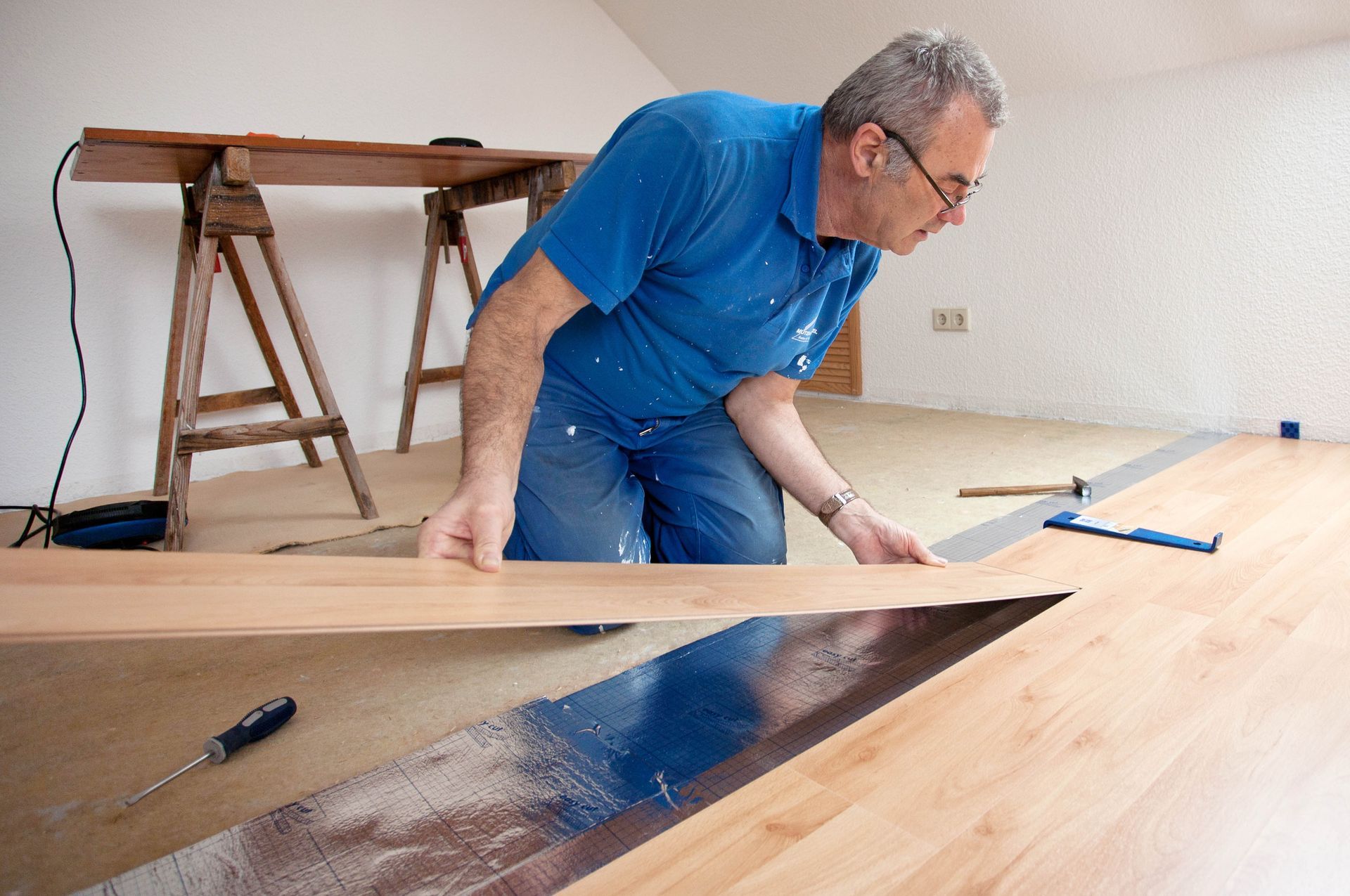
Achieving a seamless surface requires a blend of hands-on expertise, technical knowledge, and meticulous execution. An experienced laminate flooring installer evaluates room architecture, accounts for expansion gaps, and executes precise cuts around intricate door jambs and structural obstacles. Professional tradespeople utilize specialized tools including precision saws, moisture meters, heavy-duty tapping blocks, pull bars, and laser levels to guarantee tight plank locking mechanisms without damaging delicate joint edges.
Attempting DIY installation often leads to common mistakes such as improper joint staggered spacing, inadequate expansion margins near walls, or ignored subfloor imperfections that cause persistent squeaking. A master installer anticipates structural movement, designs symmetrical room layouts, and optimizes material usage to significantly reduce waste. Hiring a dedicated laminate flooring installer guarantees your project adheres strictly to manufacturer warranty guidelines, securing your long-term flooring investment and guaranteeing peace of mind throughout the renovation.
Beyond basic tool operation, experienced contractors bring invaluable problem-solving skills to challenging spatial configurations. Rooms with non-square walls, closet nooks, or multi-room transitions require careful geometric layout planning before laying the very first row. Experienced installers accurately measure room angles and adjust starting row widths to avoid ending the installation with narrow, structurally weak plank slivers along prominent walls.
Preparing the Space for Installation
Flawless flooring outcomes depend entirely on thorough, meticulous site preparation prior to unboxing materials. The target space must be thoroughly cleared of furniture, baseboards, and existing debris, followed by a rigorous inspection of the underlying surface. Subfloor imperfections such as high spots must be sanded down, while deep dips require leveling compounds to establish a smooth, flat foundation that prevents vertical plank deflection and joint strain over time.
Acclimatizing the new planks is another non-negotiable step in the preparation process. Materials should sit flat in the installation area for at least 48 to 72 hours, allowing the high-density fiberboard core to adjust to the home's ambient temperature and humidity levels. Skipping this crucial phase can trigger severe board buckling or gapping after installation. A thorough laminate flooring installer strictly enforces these acclimatization guidelines while verifying moisture levels with calibrated testing meters to guarantee total structural stability.
Underlayment selection is equally critical during the prep stage. High-grade foam, felt, or cork underlayment provides a necessary vapor barrier against ground moisture, dampens footstep impact sound, and offers slight cushioning underfoot. In basement installations or over concrete slabs, installing a dedicated moisture barrier prevents vapor migration from degrading the underside of the laminate planks over extended periods.
Maintaining and Protecting the Surface
Preserving the pristine finish of your new floor requires simple, consistent routine care and proactive maintenance practices. Regular sweeping with a soft-bristle broom or vacuuming using a hard-floor setting removes loose dirt and grit that could dull the wear layer over time. Cleaning should be performed with specialized microfiber mops lightly dampened with approved laminate cleaners, strictly avoiding standing water, steam mops, or harsh abrasive scrubbers that penetrate click-lock seams and induce core swelling.
Preventative measures pay massive dividends in extending the functional life of your floors. Placing high-quality doormats at exterior entrances traps incoming dirt, gravel, and moisture before it reaches the living space. Attaching thick felt protector pads under heavy furniture legs prevents indentation marks and surface scratches during movement, while keeping pet nails trimmed prevents fine surface scuffing in high-activity residential zones, preserving a pristine finish for years.
When unexpected minor damage occurs, specialized color-matched wax fill sticks or acrylic repair putties allow seamless touch-ups for surface chips and minor scratches. For deeper structural damage caused by heavy impact or localized plumbing leaks, a professional laminate flooring installer can surgically unclick surrounding rows or utilize specialized plank-replacement techniques to replace individual damaged boards without disassembling the entire room's surface.
Evolving Trends in Flooring Installation
Technological innovations continue to revolutionize the modern surface industry, bringing hyper-realistic wood grain textures and enhanced water-resistant core technologies to market. High-definition digital printing now captures intricate knots, organic timber grain variations, and realistic concrete visuals with extraordinary depth. Advanced click-locking joint systems feature tight water-repellent seals that allow modern laminate materials to be confidently installed in kitchens, powder rooms, and entrance foyers.
Sustainability and indoor air quality remain key forces driving current market evolution. Leading manufacturers utilize non-toxic binders, certified low-VOC finishes, and rapid-renewal wood components to ensure healthy indoor living environments. As design trends embrace wider plank formats, herringbone patterns, and matte natural finishes, working alongside a knowledgeable installer ensures your material selections match modern structural installation techniques.
Ultimately, investing in quality materials is only half the equation; execution determines long-term satisfaction. Partnering with a skilled laminate flooring installer guarantees proper subfloor leveling, accurate expansion allowance, and a polished finished appearance that elevates your property's overall aesthetic and market value for years to come. For more information about the services that we offer, reach out to our incredible team at Jay's Floors and More today!