April 20, 2026
Upgrading your flooring is one of the most noticeable improvements you can make to a home or commercial property. Fresh floors enhance visual appeal, improve functionality, and influence long-term value. According to USA Today, hardwood flooring has the greatest positive impact on home resale value in most cases, with an estimated return on investment of 118%. While laminate is a different material, this statistic highlights how strongly flooring decisions can affect property value overall.
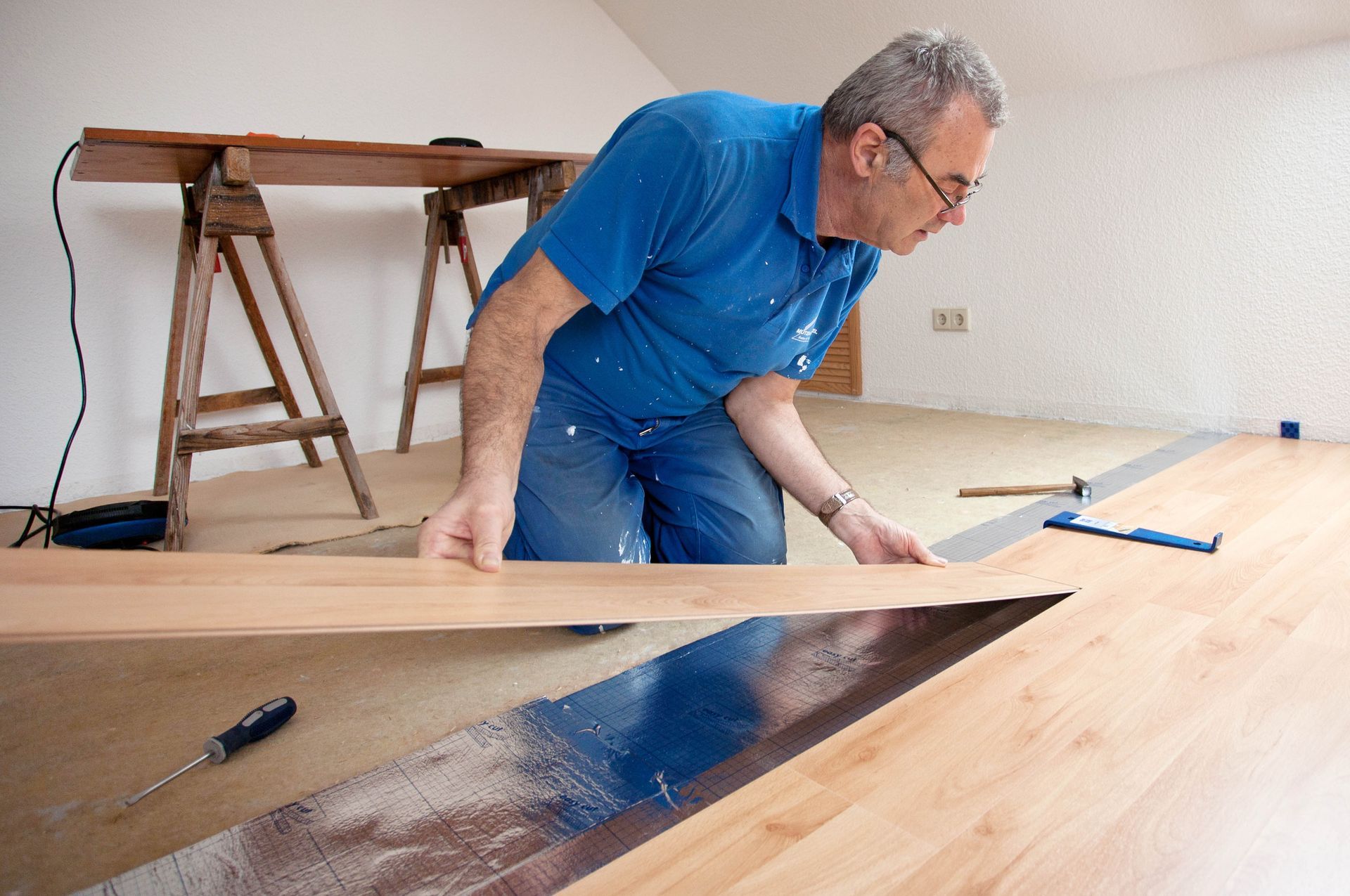
Laminate has become a popular alternative for property owners who want the look of hardwood without the same upfront cost. It offers durability, a wide range of styles, and easier maintenance. Still, even cost-effective projects can exceed budget expectations if financial details are not clearly discussed in advance. Asking the right questions before hiring a laminate flooring installer can help you avoid misunderstandings and control expenses. In this article, we’ll explore the most important budget-focused questions businesses and property owners should raise before moving forward.
1. What Is Included in the Initial Estimate?
The first budget question to ask a laminate flooring installer is what the estimate truly covers. Many clients assume a quoted price includes everything necessary to complete the project, but that is not always the case. Some proposals account only for basic installation, while others may bundle removal, underlayment, trim, and finishing work.
Request a detailed explanation of labor, materials, demolition, disposal, and finishing elements. Clarifying whether transitions, baseboards, and moisture barriers are included can prevent confusion later. A transparent breakdown allows you to compare contractors accurately rather than choosing based solely on a lower headline number that may not reflect the full scope of work.
2. Are Subfloor Repairs Accounted for in the Budget?
Subfloor condition can significantly influence final costs. If the surface beneath the laminate is uneven, damaged, or affected by moisture, repairs may be necessary before installation can begin. These adjustments often fall outside a basic installation quote.
Ask whether the contractor inspects the subfloor prior to finalizing pricing and how additional repairs are handled. A reputable laminate flooring installer should explain potential scenarios and provide a pricing structure for corrective work. Addressing this early protects your timeline and reduces the risk of mid-project financial surprises.
3. How Is Square Footage Calculated?
Most laminate flooring projects are priced by square footage, but measurement methods can vary. Confirm how the contractor calculates billable space and whether closets, alcoves, and irregular layouts are included. Small measurement differences can add up, especially in larger commercial settings.
It is also helpful to understand whether waste factors are built into the calculation. Laminate planks require cutting and fitting, which generates material waste. A clear explanation of how measurements translate into costs allows you to forecast expenses more accurately.
4. What Grade of Laminate Is Being Quoted?
Not all laminate flooring products are created equal. Pricing can differ significantly based on thickness, wear layer rating, water resistance, and brand reputation. When reviewing a proposal, ask exactly which product line is being quoted and whether alternative grades are available.
A lower-cost laminate may meet short-term budget goals but could wear down more quickly in high-traffic areas. Conversely, a slightly higher upfront investment might deliver longer durability and better appearance retention. Discussing product specifications helps align your budget with your performance expectations.
5. Are There Separate Charges for Underlayment and Moisture Barriers?
Underlayment is critical for comfort, sound absorption, and moisture protection. Some laminate products come with attached underlayment, while others require a separate layer. Clarify whether underlayment is included in the quote or billed as an additional expense.
Moisture barriers may also be necessary, particularly in basements or commercial spaces with concrete subfloors. A professional laminate flooring installer should assess environmental conditions and explain what protective layers are required. Understanding these components in advance keeps your budget realistic and comprehensive.
6. What Is the Timeline and How Does It Affect Cost?
Project duration can influence overall cost, particularly in business environments where downtime translates into lost revenue. Ask how long installation is expected to take and whether expedited timelines carry additional fees.
Some contractors charge more for weekend work or accelerated scheduling. Others may offer standard timelines that fit comfortably within budget constraints. Knowing how scheduling impacts pricing allows you to coordinate installation around operational needs without unexpected financial strain.
7. Are Furniture Moving and Site Preparation Included?
Another frequently overlooked expense involves site preparation. Clarify whether the contractor moves furniture, removes old flooring, and prepares the area for installation. If these services are not included, you may need to budget separately for labor or coordinate preparation yourself.
Commercial properties often require more extensive preparation, including equipment relocation or after-hours access. Discussing these logistics early helps you identify hidden costs that could affect the final invoice.
8. How Are Change Orders Managed?
Even well-planned projects can evolve once work begins. Unexpected structural issues or design changes may require adjustments. Ask how change orders are documented and priced.
A reliable laminate flooring installer should outline a clear approval process before additional work proceeds. Written documentation and transparent pricing policies protect both parties and maintain financial clarity throughout the project.
9. What Warranty Coverage Is Included?
Warranty coverage plays an important role in long-term budgeting. Ask whether the quote includes both manufacturer and installation warranties. Some contractors offer labor guarantees, while product warranties are handled separately by the manufacturer.
Understanding warranty terms helps you evaluate overall value rather than focusing solely on upfront cost. A slightly higher price that includes comprehensive coverage may offer greater financial security over time.
10. Are There Financing or Payment Options Available?
For larger commercial spaces or multi-room installations, payment flexibility can make a significant difference. Ask whether financing options, staged payments, or deposit structures are available.
Clear payment schedules also prevent misunderstandings. Confirm when deposits are due, when progress payments are required, and when final balances must be paid. Transparent financial terms help businesses manage cash flow while completing improvements.
11. What Happens If the Project Runs Over Budget?
Finally, ask how the contractor handles situations where actual costs exceed the estimate. Are clients notified immediately? Is work paused pending approval? Are there caps on unexpected charges? Clarifying these procedures in writing can prevent disputes and keep expectations aligned from the start.
Professional communication is critical in maintaining trust. A dependable laminate flooring installer will prioritize transparency and keep you informed of any developments that may affect your budget. This level of accountability helps businesses make timely financial decisions and maintain control over project costs.
Installing laminate flooring can transform a space while offering a cost-effective alternative to traditional hardwood. Still, thoughtful planning is essential to prevent unexpected expenses. From understanding what the estimate includes to clarifying subfloor repairs, measurement methods, and warranty coverage, each question strengthens your financial preparation.
According to USA Today, hardwood flooring delivers an estimated 118% return on investment in many cases, underscoring the importance of making smart flooring decisions. While laminate differs from hardwood, strategic planning and clear communication can help you maximize value and performance.
If you are considering new floors for your home or business, take the time to consult a qualified laminate flooring installer and ask the right budget-focused questions. Reach out to Jay's Floors and More today to schedule a consultation and move forward with confidence on your next flooring project.