October 26, 2026
Choosing new floors involves balancing appearance, durability, cost, and practicality. Homeowners should consider how each room is used, how much maintenance is manageable, and which materials fit their budgets. Evaluating these factors before purchasing helps ensure the laminate flooring suits their homes and long-term needs.
1. Evaluating Cost and Budget
Comparing Initial Purchase Costs
Establishing a realistic budget is an important first step. Product prices vary depending on plank thickness, finish, design, and quality. Homeowners should compare options while accounting for the square footage of each room. Premium features may increase expenses, so identifying priorities helps narrow the selection without sacrificing appearance.
Planning for Maintenance Expenses
Routine care also affects the overall cost. Most products require regular sweeping and occasional damp mopping rather than expensive treatments. However, abrasive cleaners and excessive water can damage surfaces. Following manufacturer recommendations and choosing appropriate cleaning products helps preserve the finish and reduce maintenance costs.
Comparing Alternative Flooring Materials
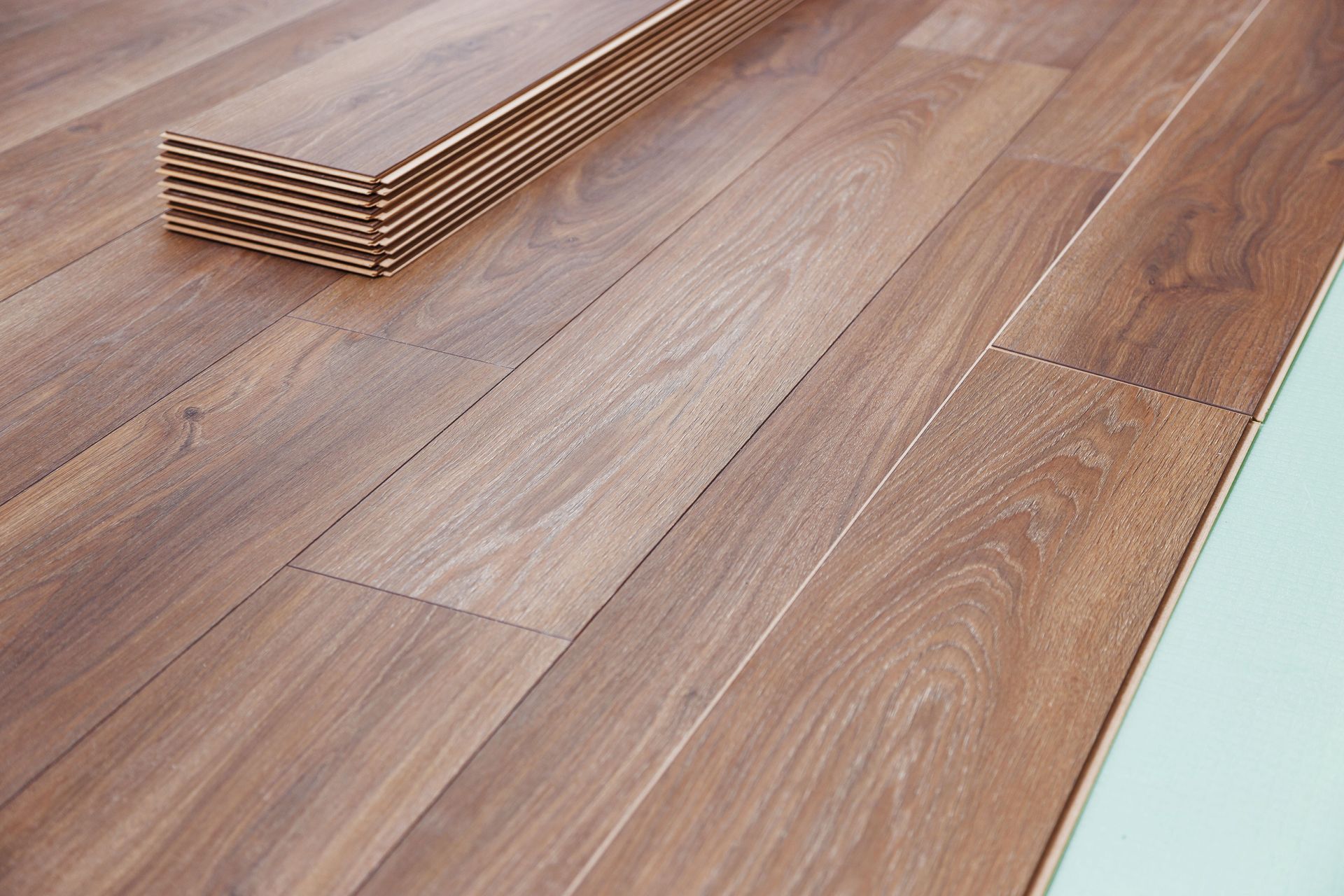
Comparing flooring materials reveals their relative benefits and limitations. Hardwood offers natural character, while vinyl can provide additional moisture resistance. Tile is another durable option, particularly in areas exposed to water. Laminate flooring delivers a wood or stone-inspired appearance at a more accessible price point, making it attractive to homeowners balancing cost and style.
Considering Long-Term Value
Updated floors can make a home more appealing to potential buyers. Although no material guarantees an increase in resale value, versatile designs that complement existing features can create a well-maintained appearance. Homeowners should weigh these potential benefits against installation expenses and expected product lifespan.
2. Assessing Durability and Lifespan
Understanding Wear Resistance
Everyday activities place different demands on flooring. Hallways, living rooms, and entryways experience more foot traffic than guest bedrooms, so materials should suit each room's intended use. Many products feature protective wear layers that resist common scratches, scuffs, and stains. Comparing product specifications and abrasion ratings helps homeowners identify suitable options.
Selecting the Appropriate Thickness
Plank thickness can influence the feel and performance of a floor, although it should not be the only consideration. According to HomeAdvisor, laminate flooring that is 8 to 10 millimeters thick provides a good balance of durability and comfort for most homes when the subfloor is smooth. Homeowners should also compare core quality, wear layers, and manufacturer recommendations.
Preparing for High-Traffic Areas
Busy households need flooring that can handle children, pets, and frequent visitors. Choosing products rated for the expected level of use helps reduce premature wear. Furniture pads and area rugs provide additional protection, while proper installation helps prevent gaps, movement, and other problems.
Reviewing Warranties and Lifespan
Product warranties offer information about expected performance. Coverage varies, so homeowners should check exclusions involving moisture, installation errors, and improper cleaning. Actual lifespan depends on product construction, household conditions, and maintenance. Understanding warranty limitations helps set realistic expectations and makes comparisons easier.
3. Choosing the Right Style and Appearance
Exploring Colors and Finishes
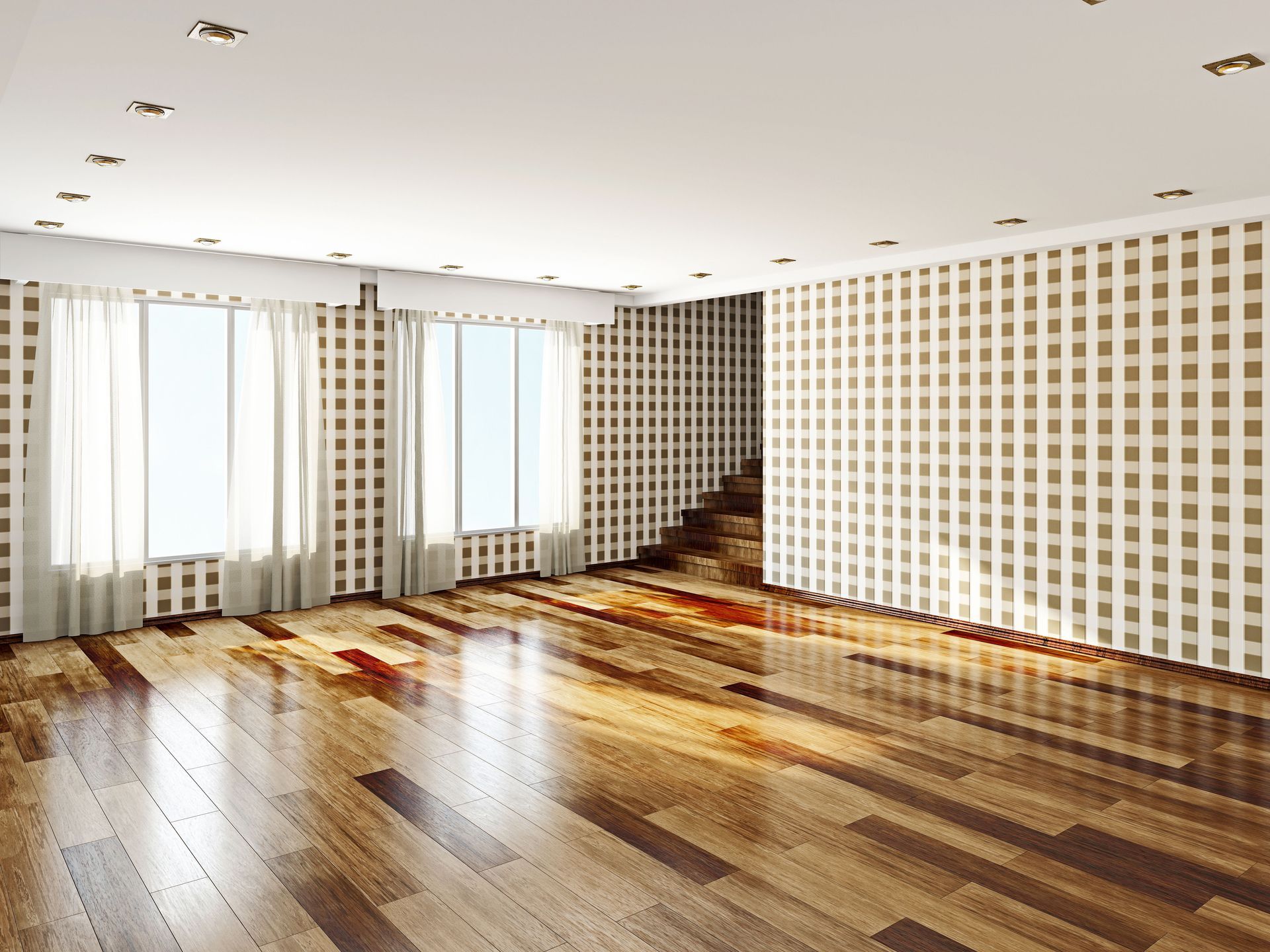
Flooring plays a significant role in a room's appearance. Light finishes can make smaller spaces feel brighter, while darker tones create a more dramatic atmosphere. Wood-inspired colors and textured finishes offer additional design possibilities. Viewing samples under your home's lighting helps determine whether a color complements existing walls, cabinets, and furniture.
Matching Existing Interior Design
A cohesive design makes rooms feel connected. Consider the colors of existing countertops, trim, cabinetry, and furniture before choosing a floor. Neutral finishes offer flexibility when decorating preferences change. In open floor plans, using a consistent style across adjoining spaces creates a more unified appearance.
Balancing Trends and Timeless Appeal
Flooring is a substantial investment, so homeowners should consider how a design will look over time. Classic wood-inspired patterns and neutral colors complement many decorating styles. Distinctive patterns can create visual interest but may require more planning when other design elements change. Choosing a style of laminate flooring that reflects personal taste while remaining versatile supports long-term satisfaction.
4. Planning Installation and Preparation
Choosing Professional or DIY Installation
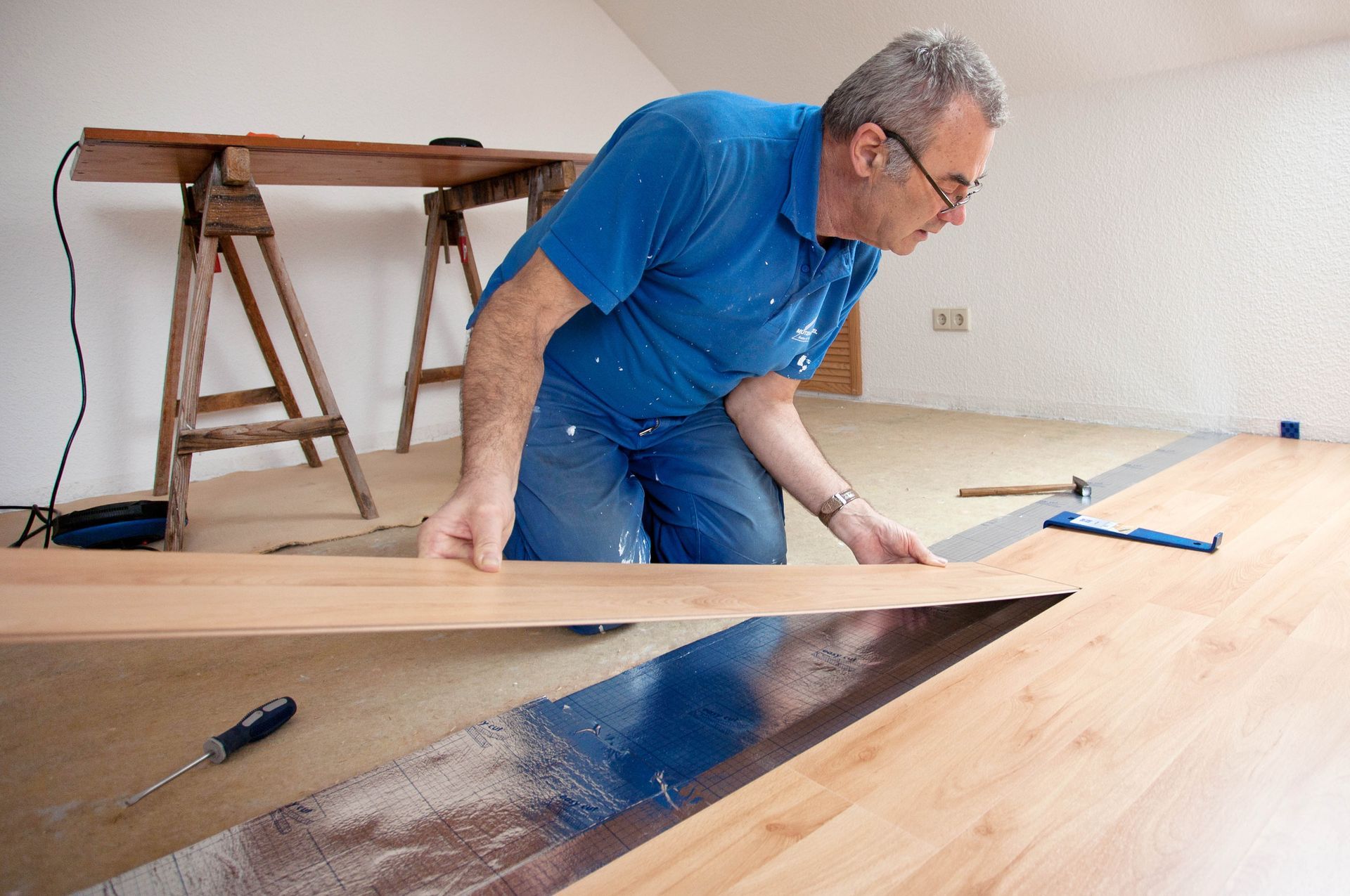
Click-lock systems make some products accessible to experienced DIY homeowners. However, irregular layouts, doorways, and transitions can complicate installation. Professional services may be beneficial for larger projects or rooms requiring extensive preparation. Comparing labor costs with the time, tools, and skills needed helps determine the best approach.
Preparing the Subfloor
A successful installation begins with a clean, dry, and level subfloor. Uneven areas can cause movement, gaps, or clicking sounds, while excess moisture may damage certain materials. Existing carpet and unsuitable coverings generally need removal, and moisture concerns should be addressed beforehand. Following manufacturer requirements for subfloor preparation and underlayment helps create a stable foundation.
Estimating Project Time and Materials
Installation schedules depend on room size, preparation requirements, and whether old flooring must be removed. Homeowners should account for measurements, cutting around obstacles, and fitting transitions. Ordering enough material to cover the planned area, including extra for cuts and waste, helps prevent delays. Keeping spare planks for future repairs may also prove useful.
5. Considering Environmental and Indoor Air Quality Factors
Checking Material Sources and Certifications
Homeowners who prioritize sustainability can investigate manufacturing practices and responsible material sourcing. Certifications from the Forest Stewardship Council provide information about wood-based materials, while indoor air quality certifications identify products tested for certain emissions. Reviewing documentation helps homeowners evaluate environmental claims more reliably.
Evaluating Indoor Air Quality
Some flooring products and installation materials release volatile organic compounds, or VOCs. Choosing products with verified low-emission certifications may help reduce exposure to certain indoor pollutants. Following ventilation recommendations and using compatible installation materials can also support a healthier indoor environment.
Planning for Disposal and Replacement
Laminate flooring contains multiple bonded layers, which can make recycling more complicated than recycling single-material products. Local waste facilities and specialized providers can explain available disposal options. Choosing durable materials and maintaining them properly can also reduce replacement frequency and long-term waste.
6. Reviewing Everyday Practical Requirements
Understanding Moisture Limitations
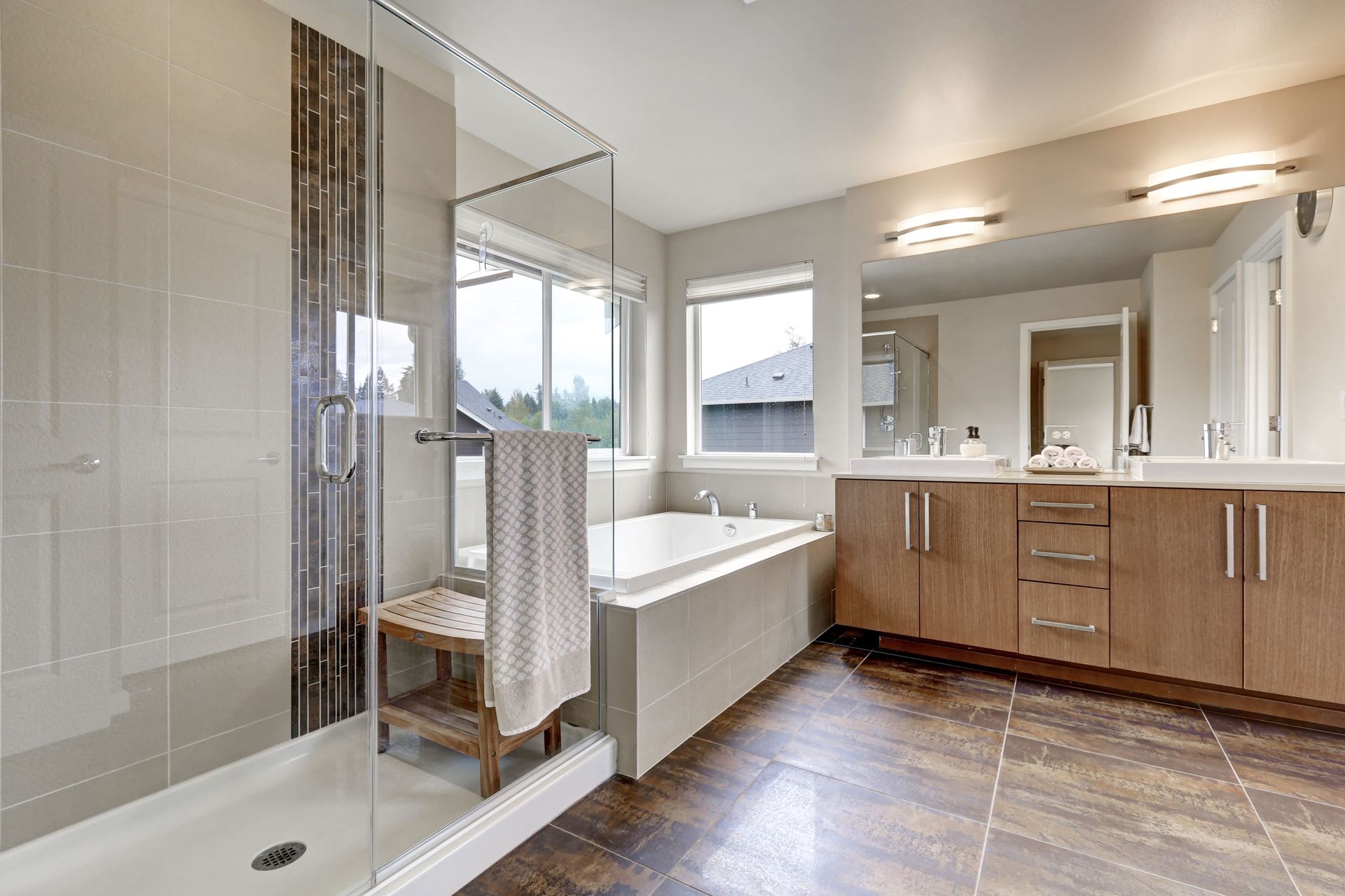
Water resistance varies among products, so homeowners should distinguish between water-resistant and waterproof claims. Spills and standing water can damage flooring that cannot withstand prolonged moisture exposure. Kitchens and entryways require careful consideration, while consistently damp spaces may need alternative materials. Checking installation instructions and warranty conditions helps determine where each product is appropriate.
Improving Comfort and Sound Control
Comfort underfoot and sound transmission affect how a room feels. Suitable underlayment may reduce impact noise and improve walking comfort. However, requirements vary, and incompatible materials can interfere with installation or performance. Homeowners in multilevel properties should review acoustic requirements before purchasing flooring.
Simplifying Cleaning and Family Care
Regular sweeping or vacuuming helps remove grit that could scratch the finish. A lightly damp mop addresses routine spills, but standing water and steam cleaners should be avoided unless the manufacturer permits them. Furniture protectors and entry mats can further reduce wear and simplify maintenance in busy households.
Checking Heating and Household Compatibility
Some products work with radiant heating systems, provided installation follows the manufacturer's temperature limits. Homeowners should confirm compatibility before purchasing materials. Families with pets and children should also consider scratch protection and cleanup requirements. Matching laminate flooring features to household routines helps ensure lasting practicality.
Making a Confident Flooring Decision
Choosing laminate flooring requires balancing budget, durability, appearance, installation requirements, and maintenance. Comparing specifications, checking warranties, and preparing the subfloor properly can help prevent common problems. Homeowners should also consider moisture exposure and how each room will be used before making a final decision.
For help comparing options and planning your next flooring project, contact Jay's Floors and More to discuss your needs and find a solution that suits your space, style, and budget.